Hidden implants
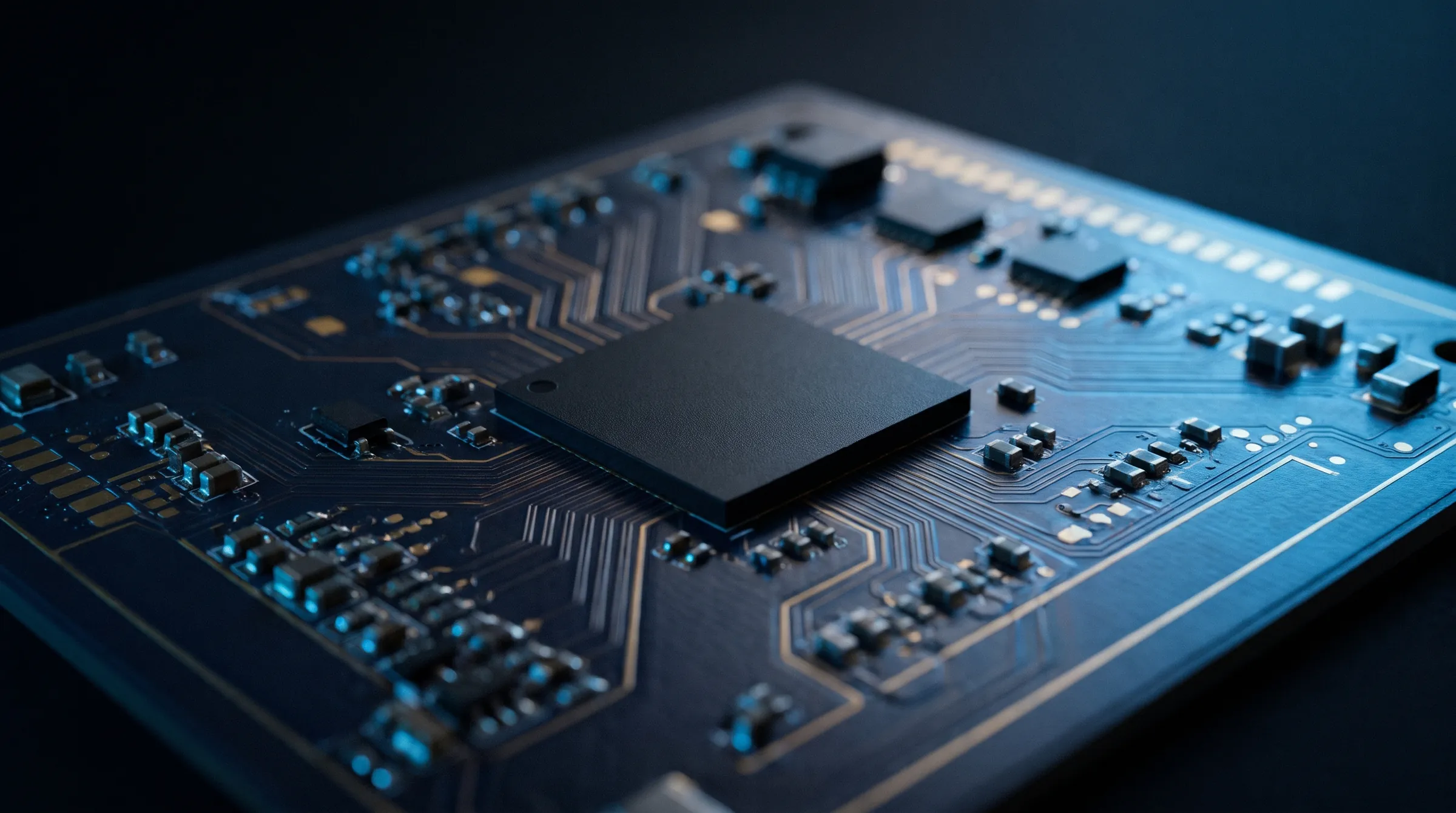
Parts that are not in the design: an extra chip, or any component that should not be on the board at all.
Now available · Hardware inspection
AI inspection that finds spy chips, counterfeit parts and altered firmware on circuit boards, before they go into service.
In internal testing
Design files stay with you. Infrastructure stays on your site.
What it checks
Parts that are not in the design: an extra chip, or any component that should not be on the board at all.
Components that are fake, or have been swapped for something other than what the design calls for.
Firmware that has been changed. BoardSafe checks what is on the device against a known good version.
How it works
BoardSafe starts from the original design files for the board.
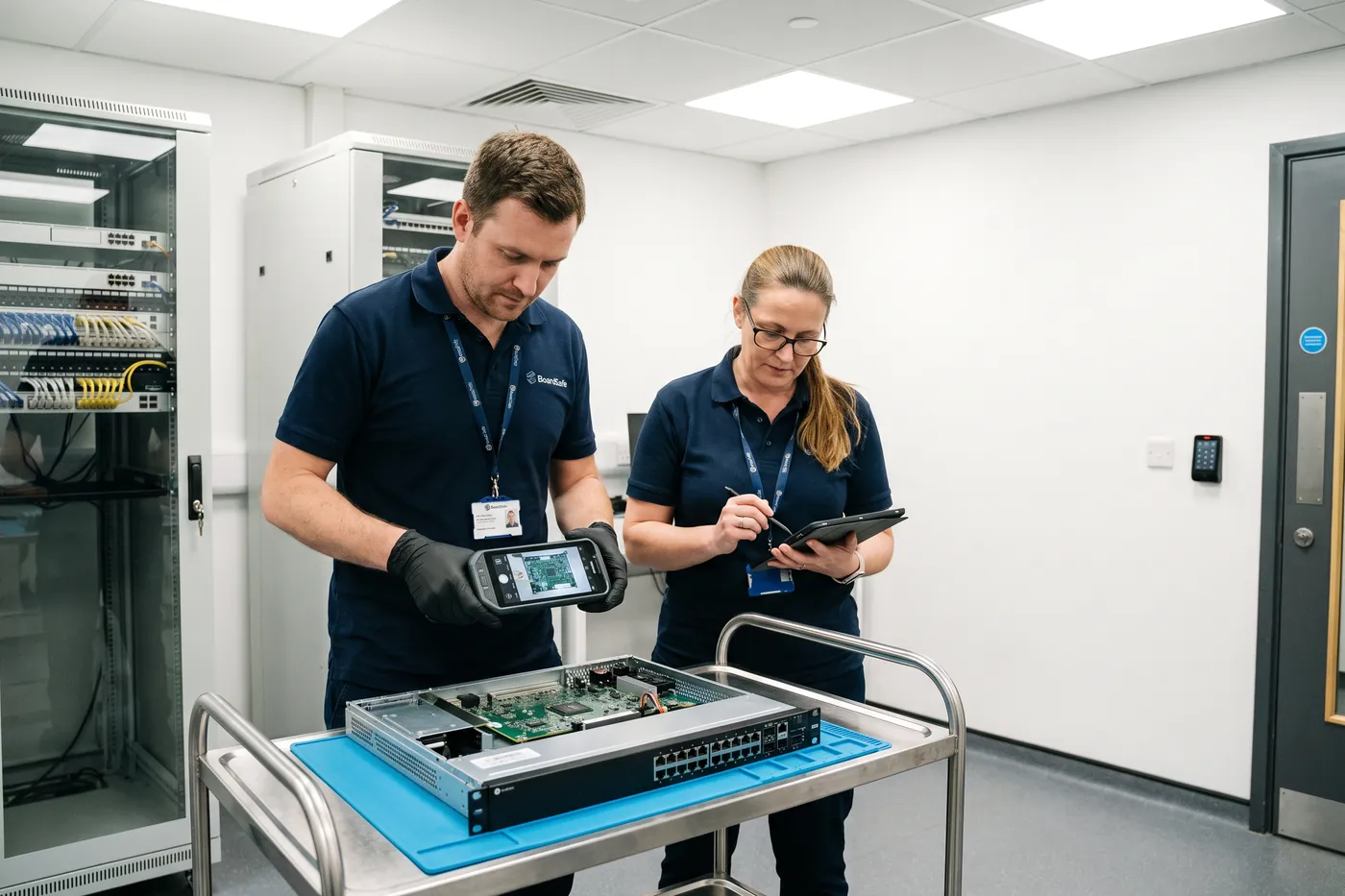
The board is scanned and compared against that design.
Anything fake, swapped or not meant to be there is flagged.
The firmware is checked against a known good version.
Then it is sealed
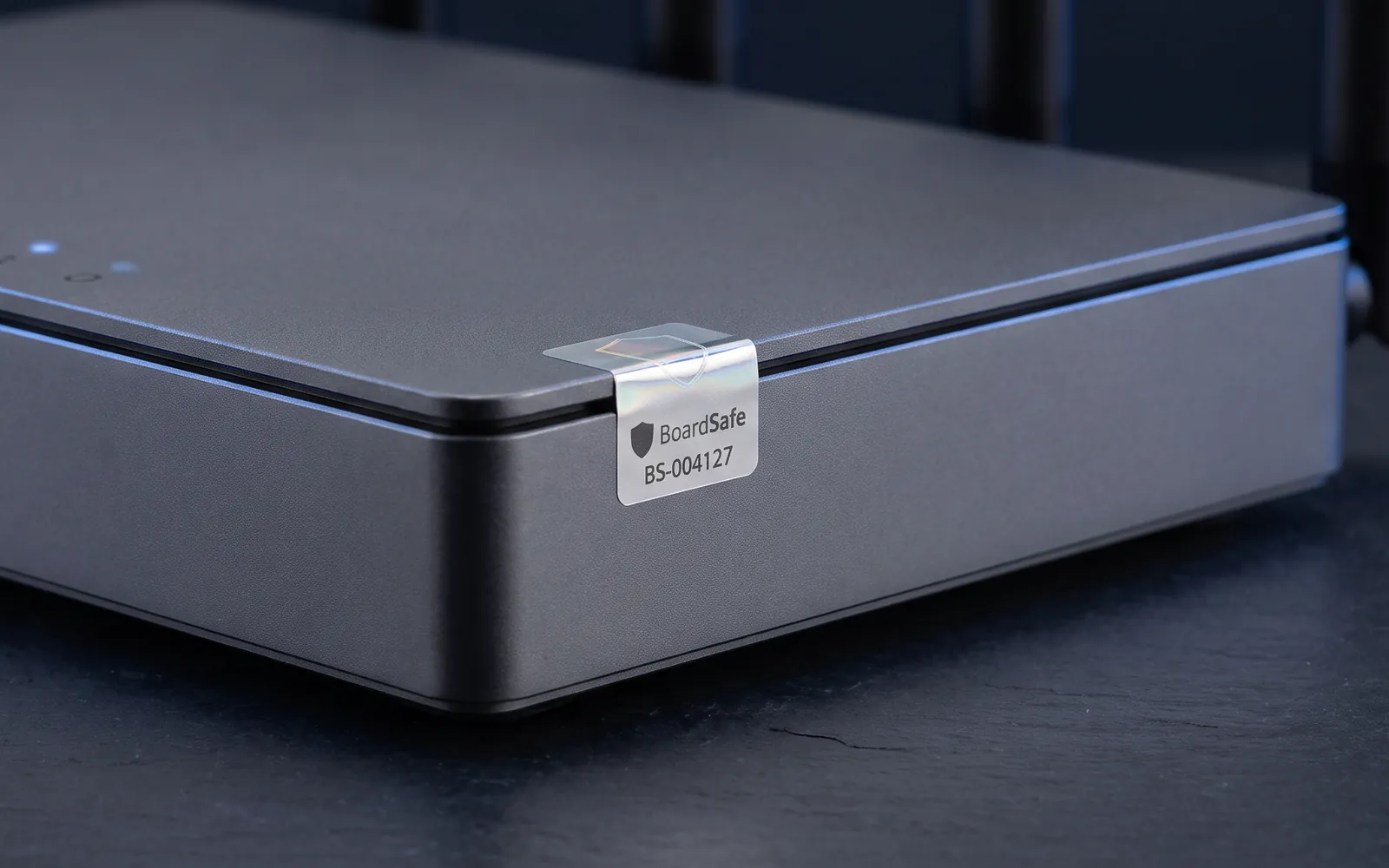
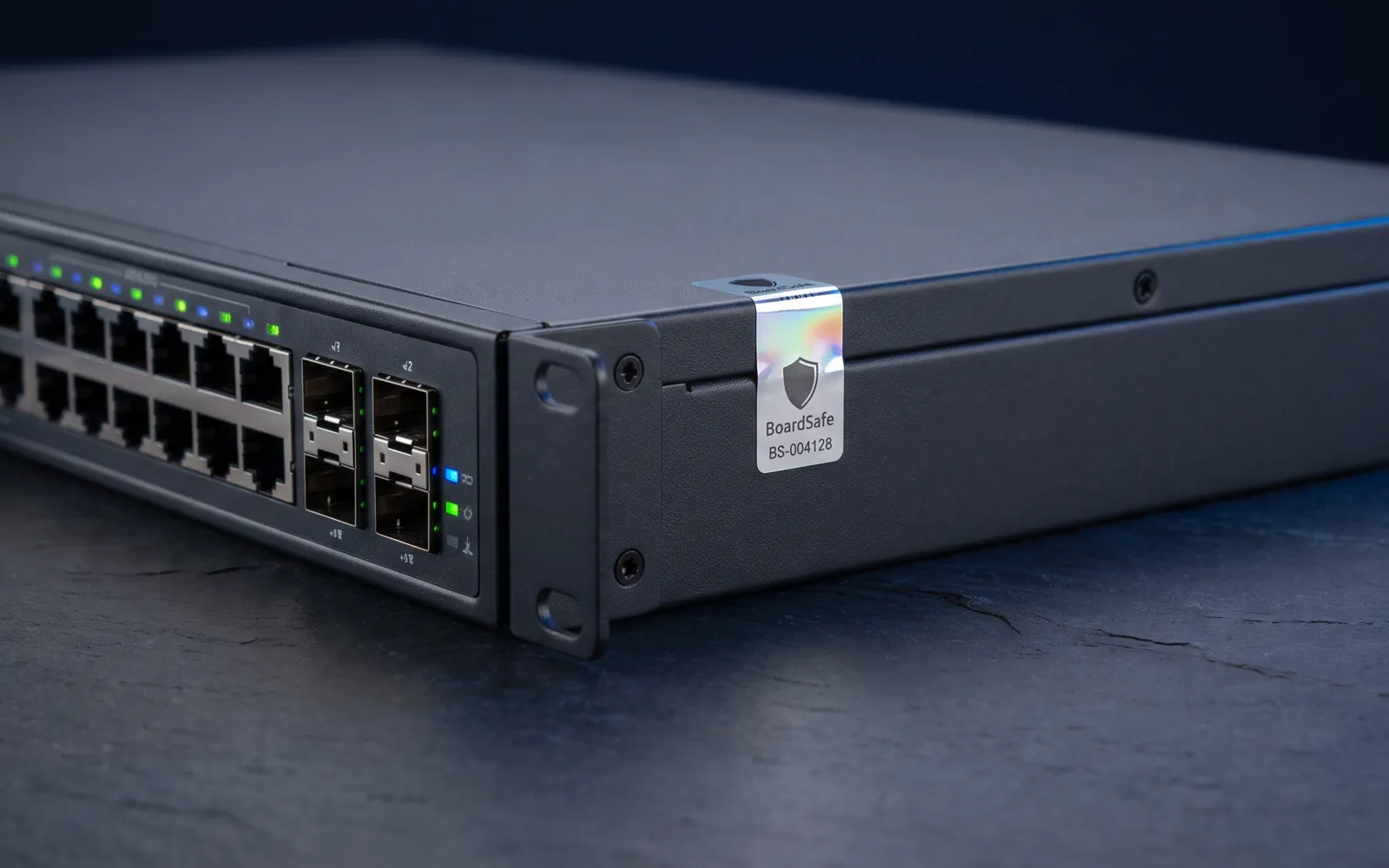
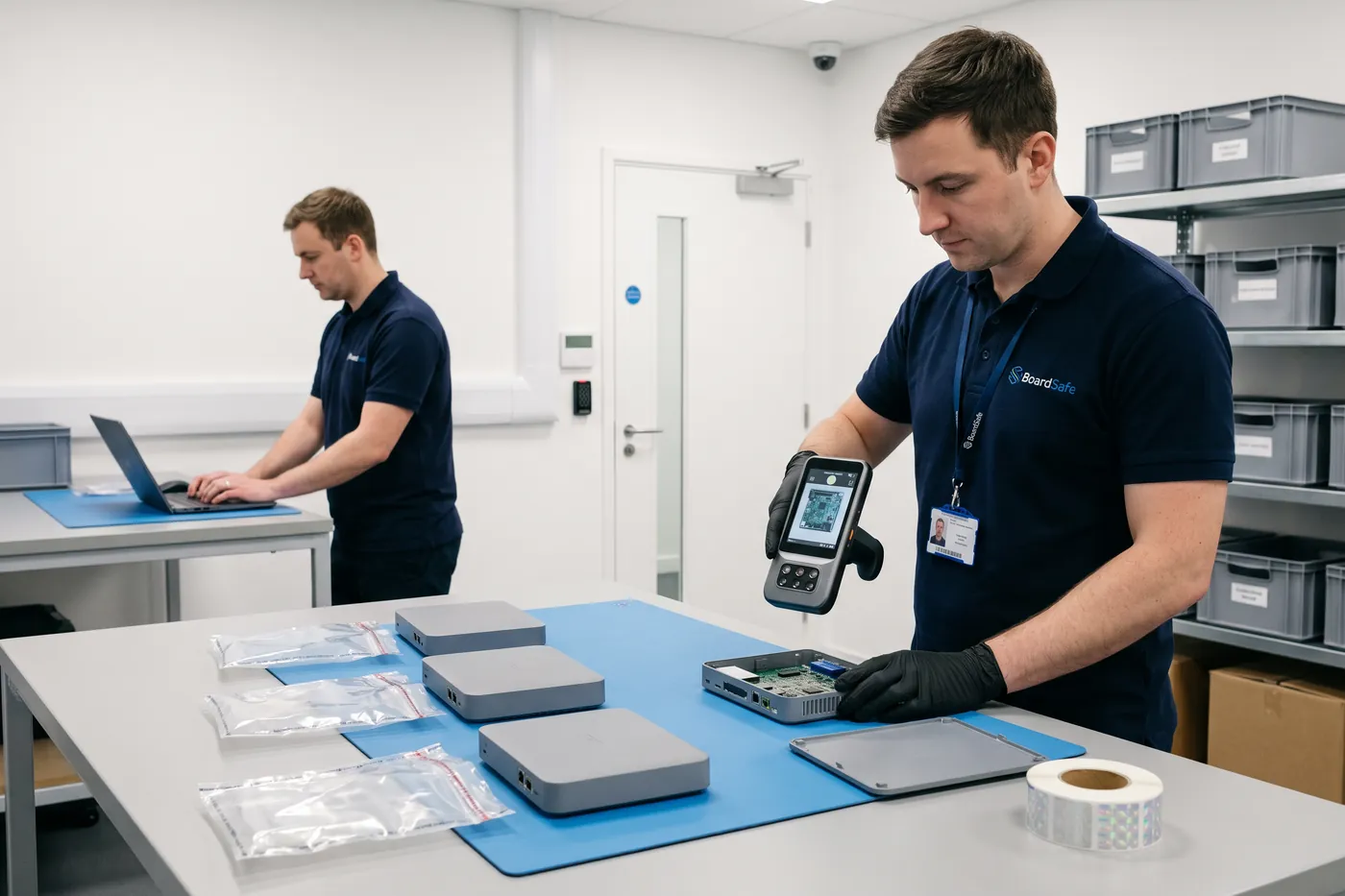
Once a device passes, a small BoardSafe tamper-evident seal goes across the join of its case, each with its own serial number. Anyone who opens it, including someone on the inside, has to break the seal to do it.
On the bench, not in a lab
Finding one swapped chip used to mean sending a board to a lab for weeks. BoardSafe takes under 60 seconds a board, so a supplier can check every unit on the bench instead of a sample.
Compliance and ongoing assurance
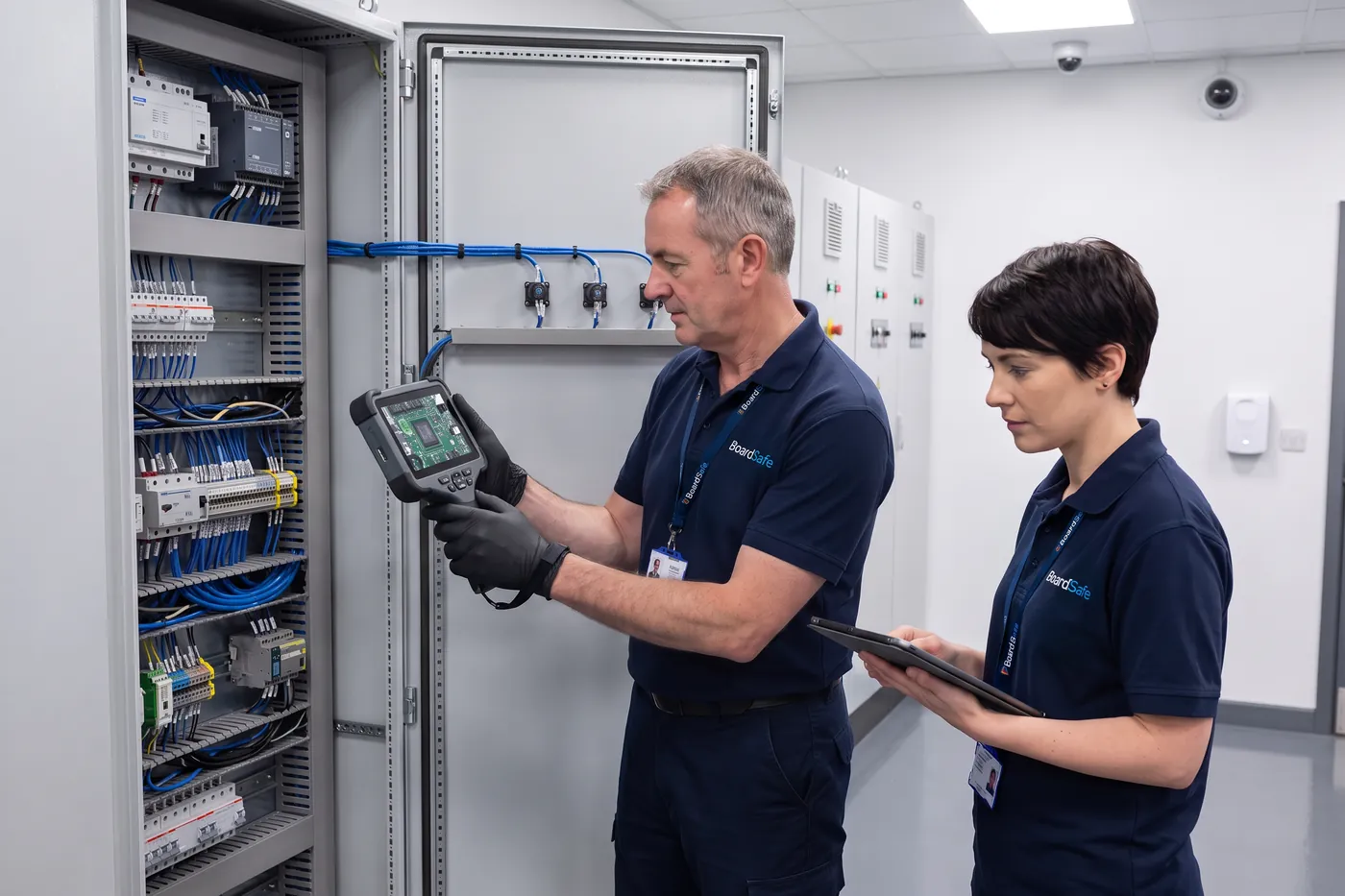
For hardware shipped into and deployed in critical infrastructure, defence and other security-critical sites, BoardSafe is part of a rollout plan that keeps checking long after the first scan.
Availability
After successful trials with two Australian defence contractors, BoardSafe is now available to government, defence and critical infrastructure customers.
BoardSafe also has its own site, with guides on hardware supply chain security: boardsafe.com.au.
Book a trial
Tell us what you build and what goes into it, and we will get back to you about a trial.